When it pertains to painting your home, timing isn't just essential-- it's everything. The perfect season for painting can substantially affect the quality of your job, the durability of the paint job, and even your general experience. In this comprehensive guide, we'll explore numerous elements influencing the choice on when to paint, seasonal painting pointers, and just how to ensure a successful task no matter when you pick to do it.
Seasonal Painting Tips: When is the Best Time to Paint?
The ideal time to paint largely depends on both the exterior and interior problems of your home. Typically talking, spring and fall are taken into consideration optimal periods for external painting as a result of moderate temperatures and lower humidity degrees. Nonetheless, each period has its very own benefits and drawbacks that can affect your paint task.
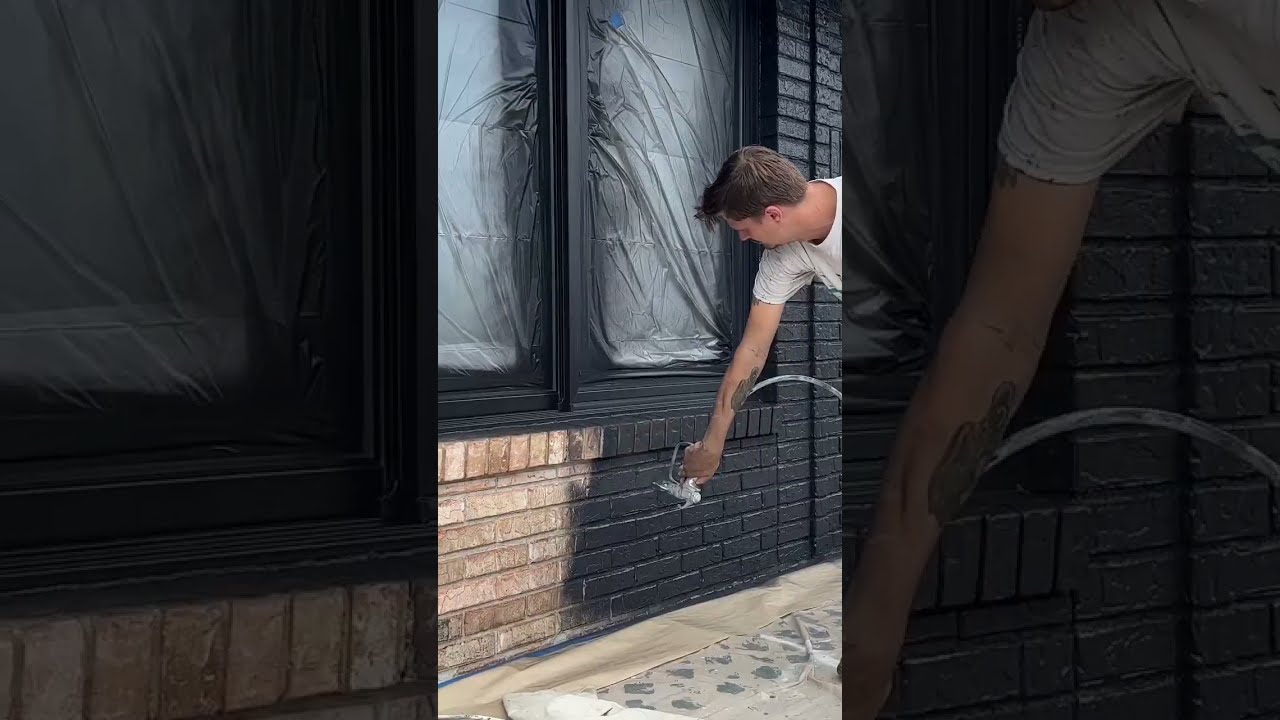
Understanding Weather Conditions
What climate condition should you consider?
Weather effects numerous elements of a painting job-- bond, drying out time, and overall surface. Below's what you need to know:
- Temperature: Most paints recommend applying when temperature levels are in between 50 ° F (10 ° C)and 85 ° F (29 ° C). Humidity: High moisture can bring about extensive drying times and even poor adhesion. Wind: Windy conditions can cause dirt and particles to settle on wet paint, wrecking a smooth finish.
Spring Painting Pros and Cons
Advantages of Spring Painting
Mild Temperature levels:- Spring offers enjoyable climate that allows for comfy working conditions.
- Generally reduced moisture in spring adds to better drying out times.
Disadvantages of Springtime Painting
Rainfall:- Increased opportunities of rainfall may delay projects.
- If you're sensitive to irritants, plant pollen can be an issue throughout springtime months.
Summer Painting Pros and Cons
Advantages of Summer Painting
Longer Days:- Extended daylight hours allow even more time for painting.
- Warm temperature levels dry paint quicker, allowing for quicker project completion.
Disadvantages of Summer season Painting
Heat Extremes:- Excessive warm may create paint to completely dry as well rapidly prior to it sticks properly.
- Late summertime specifically brings high moisture which can complicate the drying out process.
Fall Paint Pros and Cons
Advantages of Autumn Painting
Ideal Temperature level Variety:- Like spring, loss generally offers modest temperatures excellent for painting.
- Typically fewer rain days compared to spring.
Disadvantages of Fall Painting
Shorter Days:- Less daylight may restrict working hours.
- Depending on the location, cooler evenings could affect paint treating times.
Winter Painting Pros and Cons
Advantages of Winter months Painting
Less Competition:- Many property owners prevent winter season paint; you might locate contractors more available.
- A good time for indoor touch-ups or full room renovations.
Disadvantages of Winter season Painting
Cold Temperature levels:
- Most paints need certain temperature level arrays; winter can restrain appropriate curing.
Potential for Snow or Ice:
- Bad climate can delay outdoor job indefinitely.
Important Consider Seasonal Decisions
While seasonal patterns play a considerable function in choosing when to paint, various other important elements likewise come into play:
Type of Paint Used
Different sorts of paints have differing requirements:
- Acrylic latex paints are generally a lot more flexible in rising and fall temperatures than oil-based paints. Always consult with your picked product's specifications before committing.
Surface Prep work Needs
Surface prep is vital across all seasons:
- In warmer months, surfaces must be cleansed extensively as dust may adhere a lot more conveniently due to heat. In cooler months, any kind of moisture left over from cleansing could freeze if not dried effectively before application.
Your Individual Schedule
When's a great time for you?
- Factor in your accessibility-- if you're busy or taking a trip usually throughout specific seasons, align your job accordingly.
Seasonal Paint Upkeep Tips
Once you have https://penzu.com/p/d1ff0f6f3cc8731f actually repainted during your selected period, maintaining that fresh look is important:
Protect Against Climate Damage
Consider complying with these standards post-painting:
- Inspect surfaces regularly for indications of wear or damage. Clean surfaces periodically making use of gentle detergents; solid chemicals could strip away protective layers.
Repaint When Necessary
How often must you repaint?
htmlplcehlder308end . Every 5 years is a general policy for exterior surfaces relying on direct exposure and climate conditions.FAQs regarding Seasonal Paint Tips
Q1: Can I paint outside in winter?
A1: While feasible with certain low-temperature paints, it's generally not suggested because of possible issues like freezing temperatures affecting adhesion.
Q2: What type of paint functions best in high humidity?
A2: Try to find mildew-resistant paints developed specifically for humid settings; these will assist reduce problems connected to moisture retention.
Q3: Is it fine to paint indoors during summer?
A3: Absolutely! Simply ensure ventilation is adequate since high temperatures can trigger fumes from some products to linger longer indoors.
Q4: Exactly how do I prepare my surface area prior to painting?
A4: Clean completely utilizing soap and water complied with by fining sand rough patches; fill splits with caulking where needed prior to priming surfaces accordingly.
Q5: Ought to I make use of guide whenever I paint?
A5: While not always needed with high-grade paints today-- making use of primer helps enhance bond especially if changing colors dramatically or covering stains!
Q6: Can moisture influence my newly repainted surface?
A6: Yes! Wetness either from rain/snow or interior humidity levels can mess up surfaces otherwise allowed proper curing time after application!
Conclusion
Choosing the best season for paint isn't just concerning looks; it's essential for guaranteeing longevity and resilience in your job! By comprehending how environment influences approaches-- with certain attention paid towards temperature fluctuations/humidity-- you'll set yourself up for success regardless if it's summer season sun or fall breeze! Bear in mind these seasonal pointers as well as maintenance advice after finishing projects-- you'll keep those dynamic colors shining brilliant with any type of storm!
By utilizing this guide on Seasonal Painting Tips along with complete planning/preparation-- you'll optimize results while minimizing tension included with home enhancement projects!